Redemption Sunday visits and four o'clock mail call

From Easter Visits to Daily Letters: The Jackson Family and the Human Dimensions of Incarceration
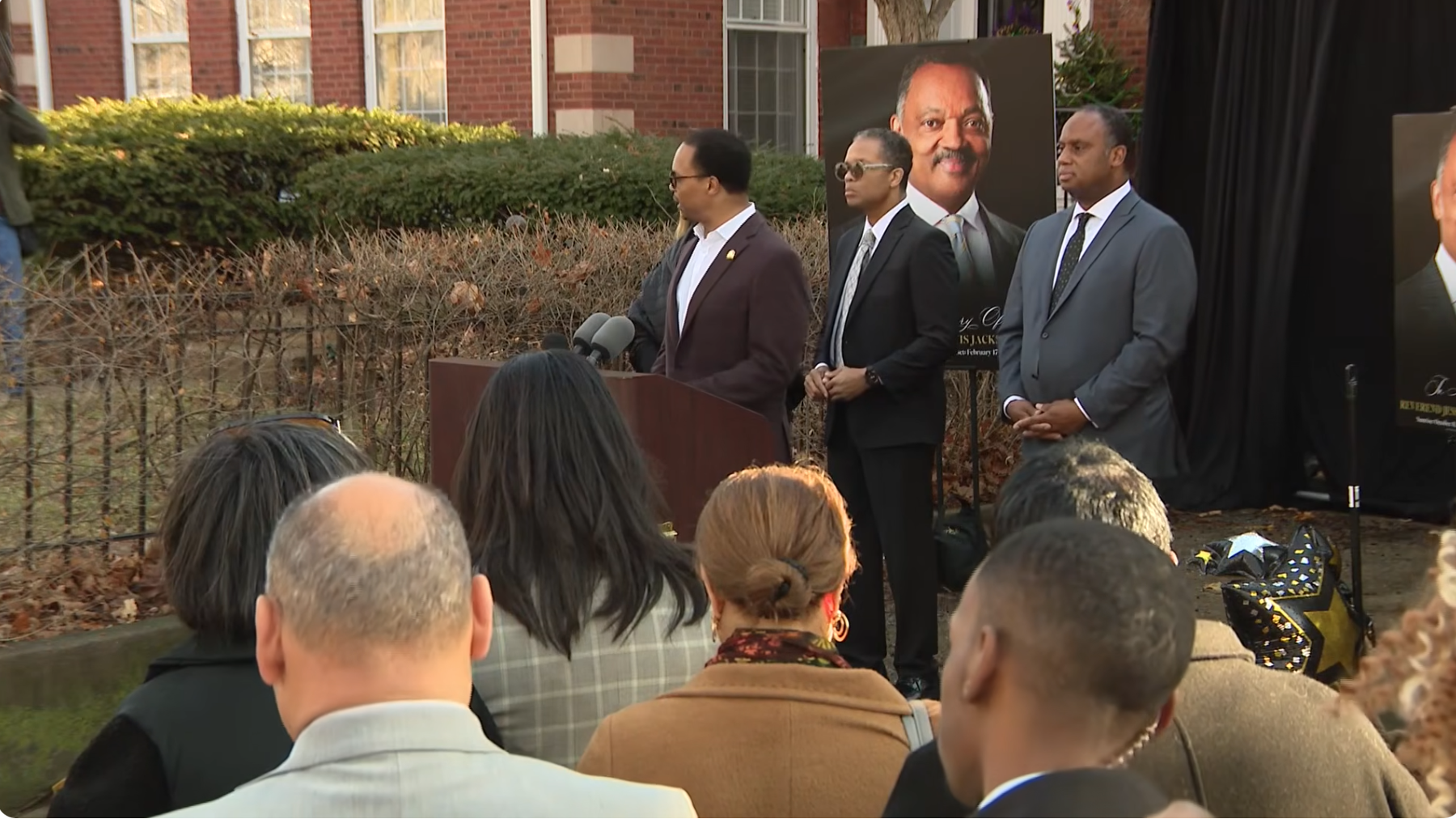
At a press conference Wednesday, Jesse Jackson Jr. reminded the crowd of the breadth of experiences that make up the life and times of his father, the Rev. Jesse L. Jackson.
“His life is broad enough to cover the full spectrum of what it means to be an American,” Jackson Jr. said, inviting people across the political spectrum to participate in services honoring the civil rights leader and international peacemaker who made Chicago his home.
In his 84 years, Rev. Jackson took on many roles — including an unexpected one. Like many in the Chicago communities he championed, he became the parent of an incarcerated son.
Amid a federal investigation into misuse of campaign funds, Jackson Jr., the namesake of Rev. Jackson, stepped down from his seat in the U.S. Congress and later pleaded guilty in 2013 to one count of conspiracy to commit wire fraud, mail fraud, and false statements.
Although cautious in interviews, Rev. Jackson acknowledged the pain of potentially missing signs of medical conditions that may have contributed to his son’s behavior. During the legal proceedings, Jackson Jr. was diagnosed with bipolar disorder and depression.
In an interview with ABC7 News, Rev. Jackson said the family made an effort to visit the Alabama prison where his son was serving a 30 month sentence twice a month. In a separate interview on the Tom Joyner Morning Show, he described visiting Jackson Jr. on Easter Sunday, noting that his son was “getting stronger and better” and continuing to write and teach.
After 17 months in prison, Jackson Jr. was released on March 26, 2015, serving the rest of sentence in a halfway house in Washington, D.C.
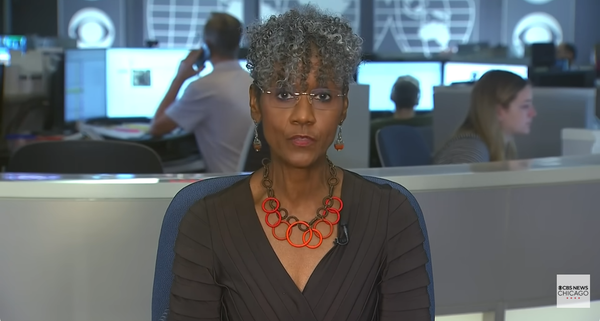
In a 2019 interview with WGN, Jacqueline Jackson, the wife of the civil rights leader described how the family continued to support Jackson Jr.
She wrote and mailed handwritten letters to her son every day.
Jackson's letters ranged from inspirational reflections on faith to family updates, and mundane details such as her trip to the bank to get a roll of quarters for the vending machine.
Jackson Jr. said the letters pulled him “out of the very dark place” he found himself in.
“Right around four o’clock every day, the prison would announce mail call. All of the inmates began to gather, and over time, ‘Jackson,’ ‘Jackson,’ ‘Jackson,’ he said in the interview. "And I would watch my spirits be lifted by what my mother had to communicate with me on a daily basis. And I would watch other men and their spirits begin to decline because they were abandoned and they were forgotten.”
Jackson Jr. eventually began sharing his mother’s letters with other incarcerated men.
Jacqueline Jackson shared these letters with the community in the 2019 book Loving You, Thinking of You, Don't Forget to Pray: Letters to My Son in Prison. She said that she hoped they could serve as encouragement for families of incarcerated people.
“We’re asking that parents begin to write their loved ones,” Jacqueline Jackson said. “Because a letter you can hold. And they can put it under [their] pillow and they can keep it till the next morning to strengthen them.”
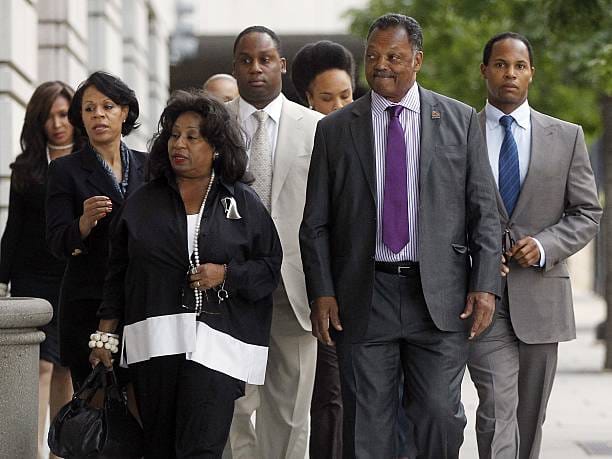
While Jesse Jackson Jr. does not claim to have been wrongfully convicted and instead took responsibility for his actions, his family’s experience with incarceration offers a revealing window into how challenges in the American justice system can extend beyond questions of guilt or innocence.
Incarceration exposes structural realities: the abandonment many prisoners endure and the critical role families play in sustaining hope. Their family experience a testament to the enduring impact of family care in the face of an imprecise justice system.
Thanks to the quiet, sustaining support of his family throughout his trial, conviction, and sentence, Jackson Jr. was able to rebuild his life after prison.
In this 2019 interview Jacqueline Jackson and Jesse Jr discuss the letters his mom wrote to him every day during his prison sentence.